
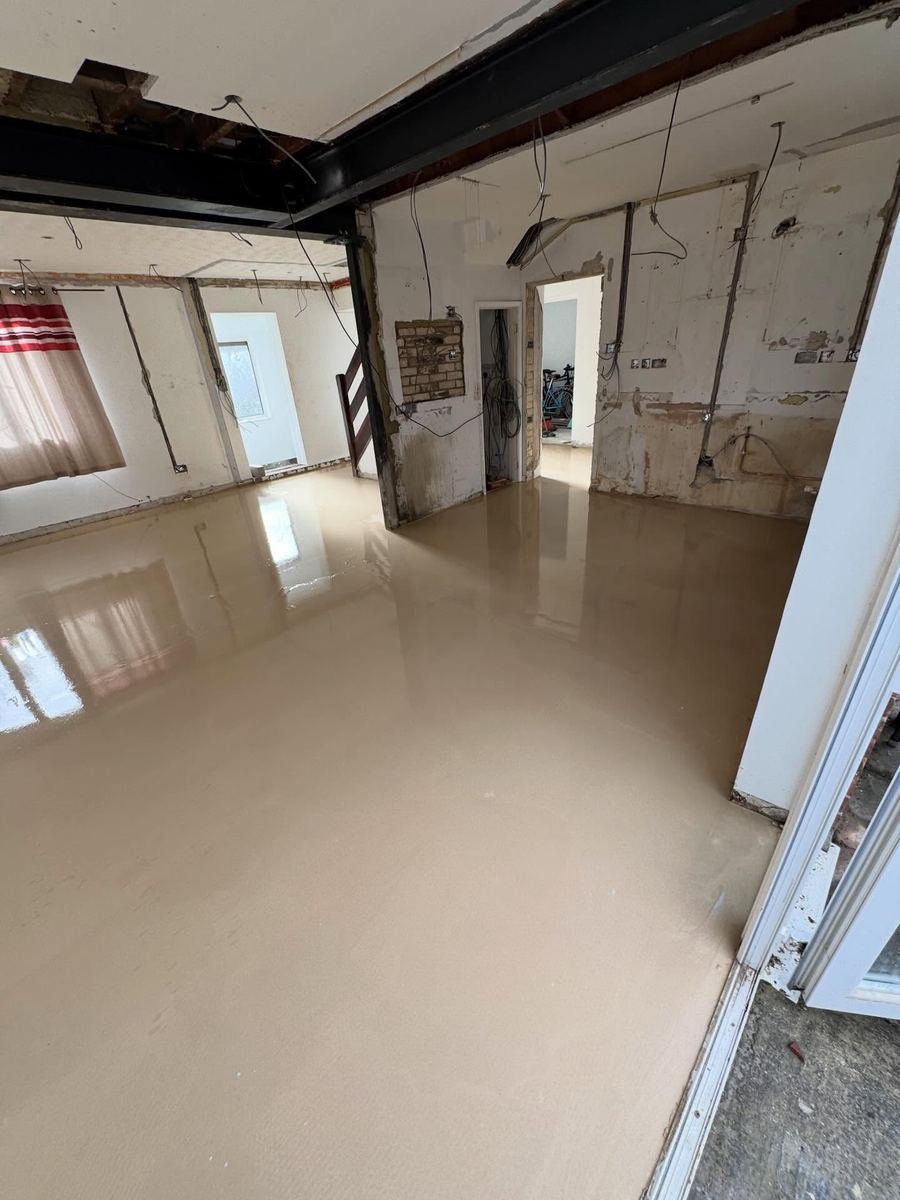
Screed for Underfloor Heating
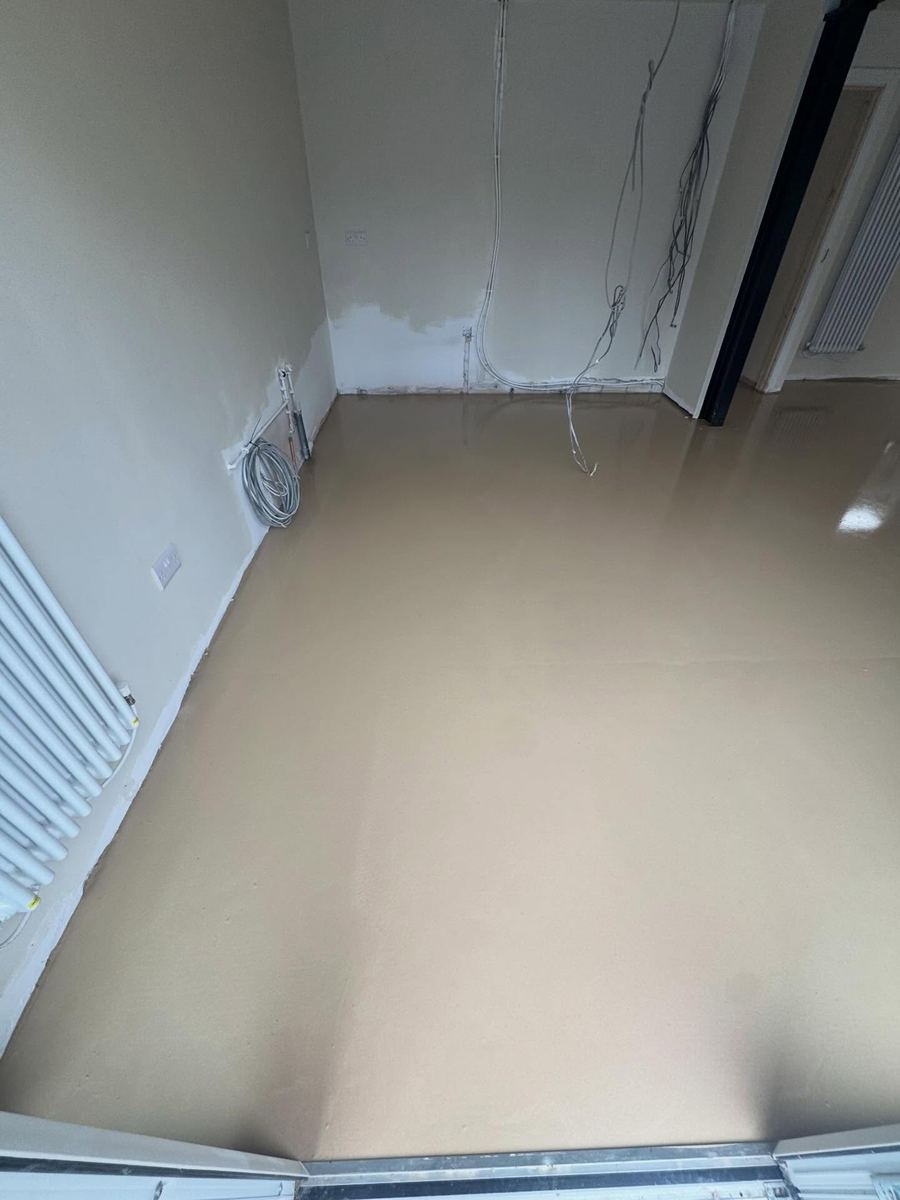
The screed makes or breaks an underfloor heating system. We lay liquid and traditional screed to fully encase your pipes at the right depth, so heat spreads evenly and the floor warms up fast.
- 25 Years’ Experience
- 4.9★ on Google
- Fully Insured
- Free, No-Obligation Quotes
Why Underfloor Heating Needs the Right Screed
Wet underfloor heating works by warming the screed, which then releases heat evenly into the room. If the screed is too thin, it can crack and you’ll feel hot stripes over the pipes. Too thick, and the floor takes longer to warm up and costs more to run. Air pockets around the pipes create cold spots.
That’s why screeding over underfloor heating is a specialist job. The screed has to fully surround every pipe, sit at the correct depth above them, and dry properly before the heating is turned up. Get those right and you’ll have a floor that heats quickly, evenly and efficiently for decades.
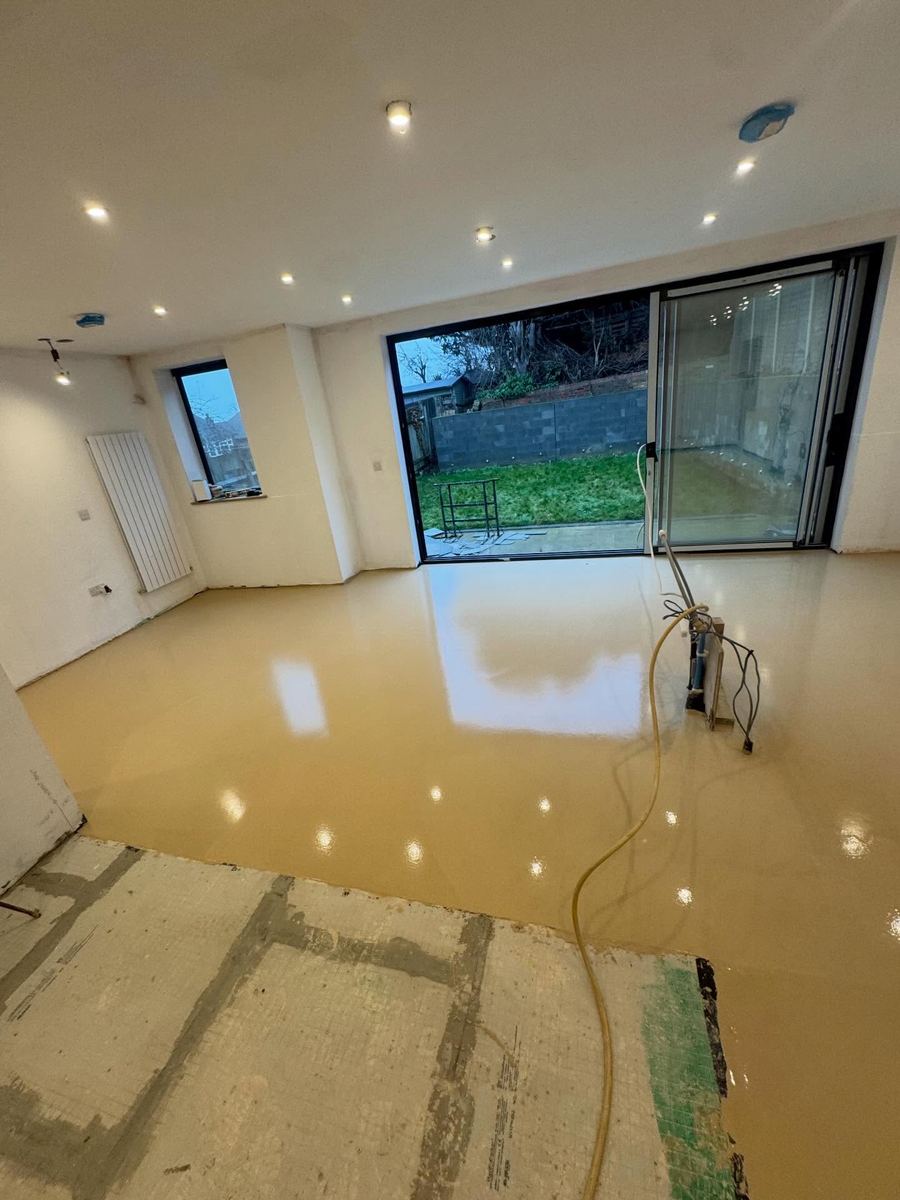
Benefits of Getting UFH Screed Right
Even Heat, No Cold Spots
Pipes fully encased with no air gaps, so warmth spreads right across the floor.
Faster Warm-Up
The right depth means the floor heats up quickly without wasting energy.
Lower Running Costs
A well-conducting screed lets your system run at lower flow temperatures.
No Cracking
Correct depth, edge strip and a proper drying schedule protect the floor.
Underfloor Heating Screed Depths & Drying
Minimum depths above the pipes by screed type. We confirm the right build-up for your heating system.
Underfloor heating · typical spec
- Liquid (anhydrite) screed
- 15–20mm cover above the pipes
- Liquid (cement-based) screed
- 15–20mm cover above the pipes
- Sand & cement screed
- 15–20mm above the pipes, 50mm minimum when floating
- Heating on
- Once the screed has cured, on a gradual start-up schedule we give you
- Ready for flooring
- After a moisture test confirms the floor is dry
Liquid or Traditional Screed for Underfloor Heating?
For most underfloor heating, liquid screed is the better choice. It flows around every pipe with no air pockets, can be laid thinner, and conducts heat well, so the floor responds faster.
Traditional sand and cement screed still works well, particularly in smaller rooms, where the floor needs to be laid to falls, or where the heating is being installed alongside other trades on a tight site. We’ll recommend the right option for your build.
Our Underfloor Heating Screed Process
Check the System
We make sure the pipes are pressure-tested, fixed down and at the right level before any screed goes in.
Prepare the Floor
Edge insulation strip around the walls, membrane over the insulation and levels set across the room.
Lay the Screed
The screed is laid or pumped to fully encase the pipes at the correct depth.
Commission and Dry
We give you a heating start-up schedule so the screed dries evenly without cracking.
Recent Underfloor Heating Screed Projects
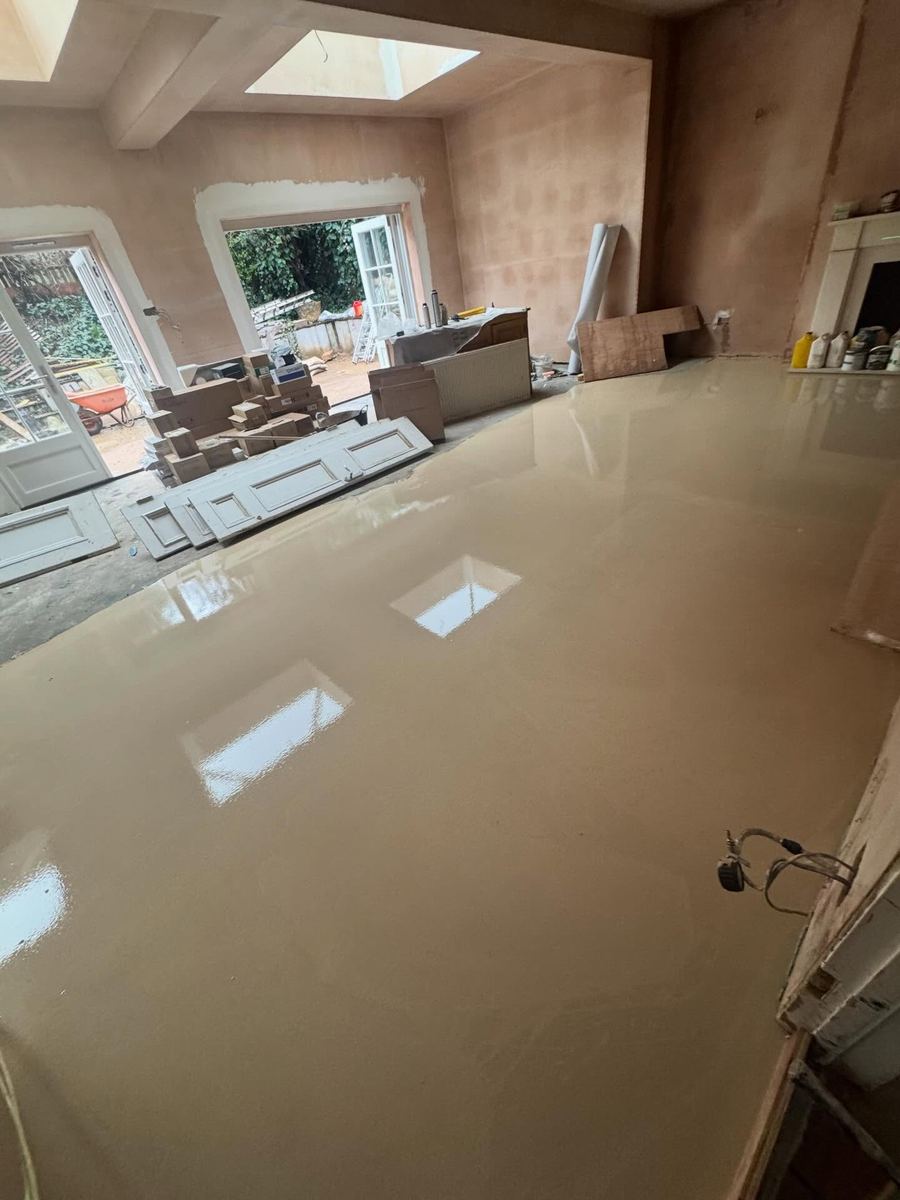
Liquid screed, house renovation
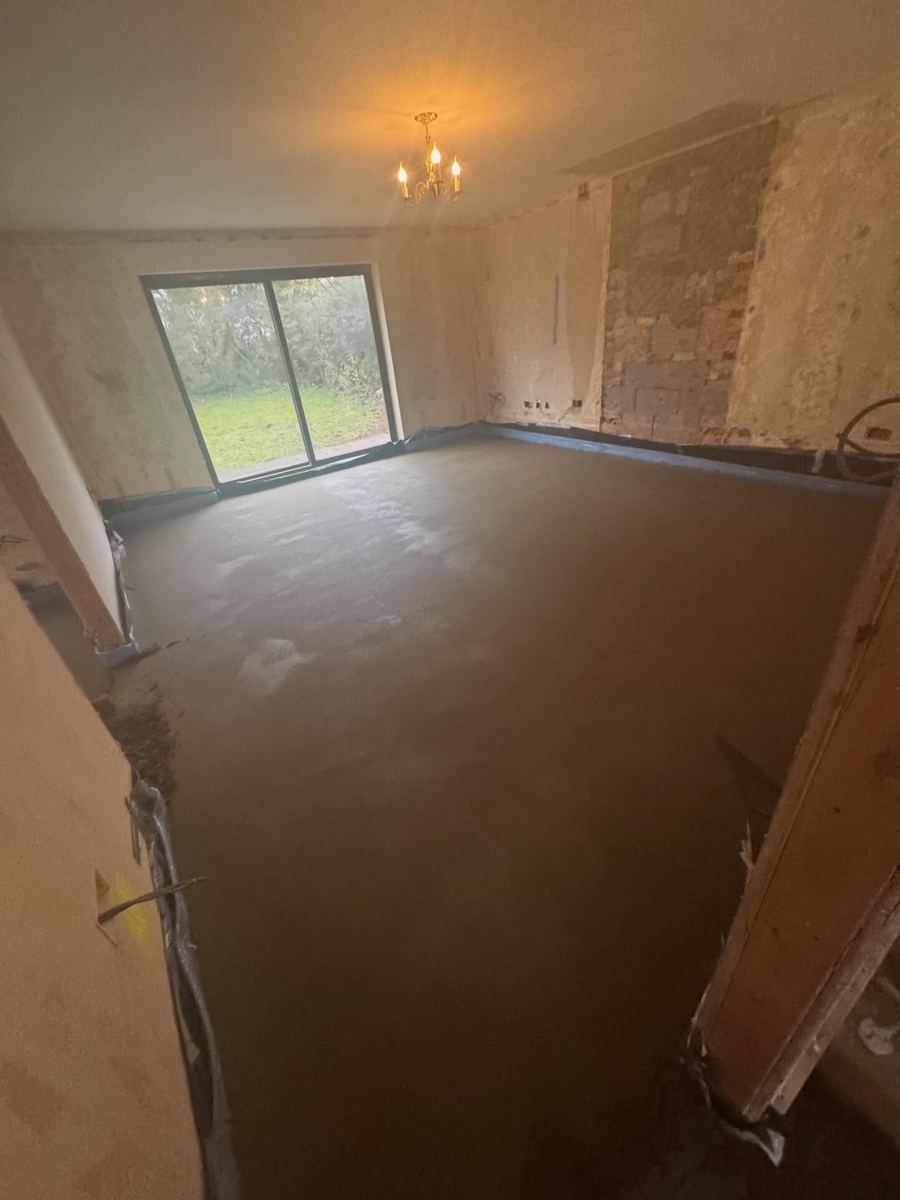
Floor screed, living room renovation
How Much Does Underfloor Heating Screed Cost?
Screeding over underfloor heating costs around £30 per m² with liquid screed, or around £20 per m² with traditional screed, based on a floor of about 150m². Price depends on floor area, depth and access. Try our screed cost calculator, or send us your floor area for a fixed price.
Get a fixed priceRated 4.9★ from 41 Google reviews
What Customers Say
★★★★★
“Great finish, came when they said they would, left the place clean and tidy, hard workers. Were in and out in just an hour or two. They gave the best quote too - definitely recommend Luke and his crew.”
★★★★★
“Great service from Luke and the team. Great communication with an exceptional finish. Spoke to 3 companies and couldn’t be happier with the choice we made. Thanks again.”
★★★★★
“Luke’s work is amazing! Not only is he fast but also incredibly communicative and very flexible with scheduling. We will definitely be working with him again!!”
★★★★★
“Luke done a fantastic job. So pleased with the result. Luke and his team are very professional and polite. No problems at all recommending these guys.”
Underfloor Heating Screed FAQs
Does underfloor heating need screed?
Wet underfloor heating systems laid in the floor usually do. The screed protects the pipes and spreads the heat. Some low-profile and board systems don’t need a full screed.
How thick should screed be over underfloor heating?
We leave 15–20mm of screed above the pipes. A floating sand and cement screed is at least 50mm deep overall. We’ll confirm the right depth for your system.
When can I turn the underfloor heating on?
Once the screed has cured, following a gradual warm-up schedule that we’ll give you for your floor. Turning it up too soon can crack the floor.
Is liquid or traditional screed better for underfloor heating?
Liquid screed usually performs better because it fully surrounds the pipes and conducts heat well. Traditional screed is still a good option in some situations.
Related Services
Liquid Screed
Fast, self-levelling flow screed that gives a flat finish over large areas and underfloor heating. Laid in a fraction of the time of traditional screed.
Learn more about liquid screed →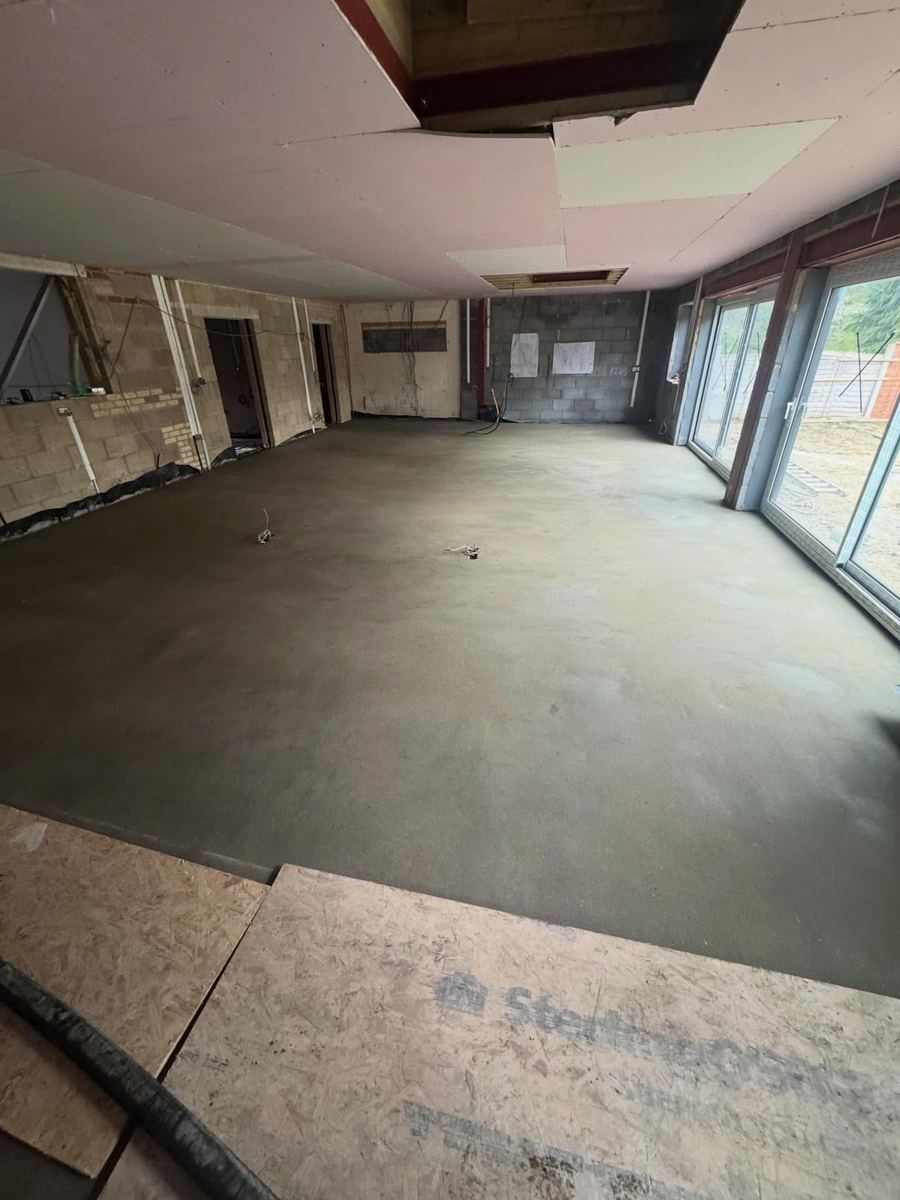
Traditional Sand & Cement Screed
Hard-wearing, versatile and trusted for decades. Available in standard, fibre-reinforced and fast-drying mixes.
Learn more about traditional sand & cement screed →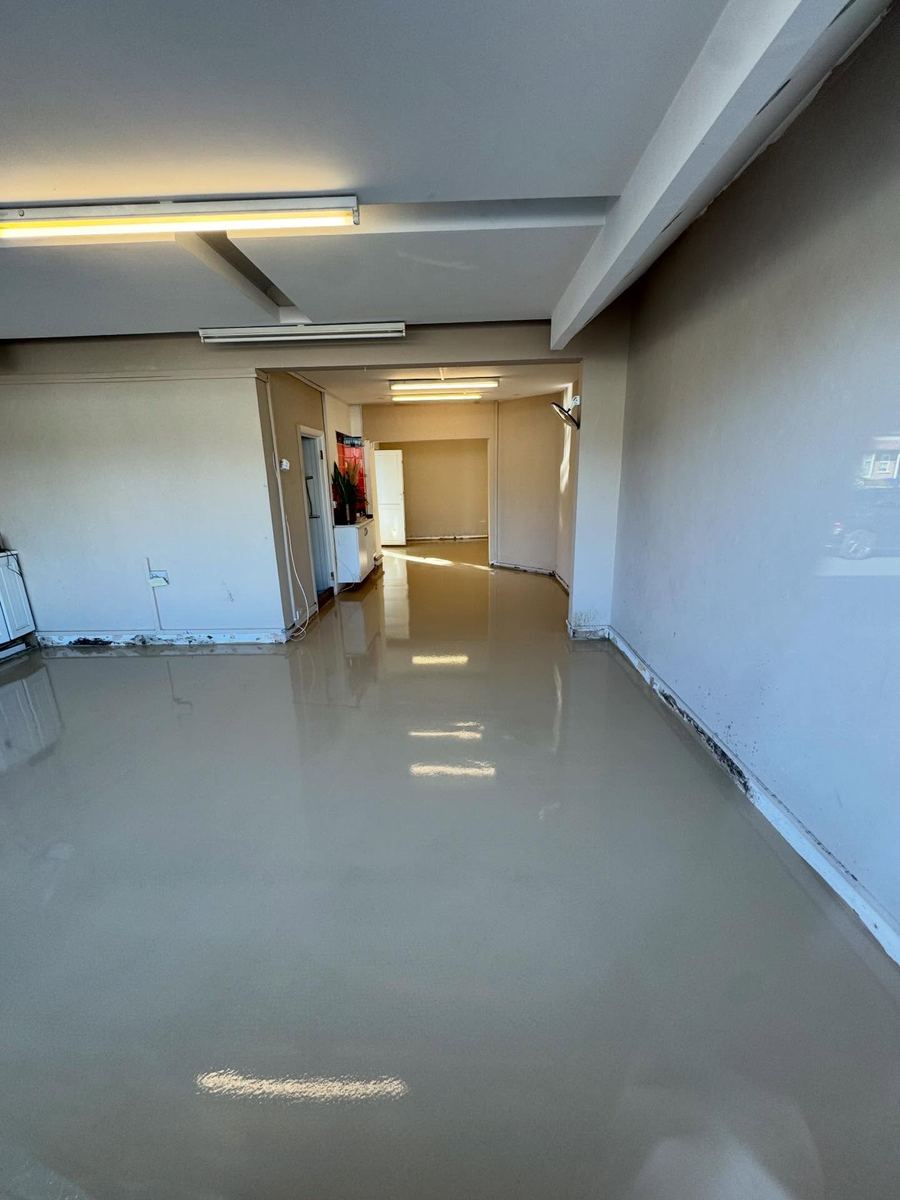
Floor Levelling
Self-levelling compounds to correct uneven floors and give a smooth base for tiles, vinyl, carpet or wood.
Learn more about floor levelling →Get a Free Underfloor Heating Screed Quote
Tell us your floor area, heating system and postcode, and we’ll come back with a fixed price, usually within 24 hours.
- Phone 07725 746381
- Email info@floorscreed-sr1.com
- Hours Mon–Fri 7:30am–5pm