★★★★★ 4.9 from 41 Google reviewsFloor screeding contractors since 2000 · 07725 746381 · info@floorscreed-sr1.com

Bonded, Unbonded & Floating Screed

The way a screed sits on its base decides how thick it needs to be and how it will perform. We’ll tell you which build-up your floor needs and lay it properly.

★★★★★ 4.9 from 41 Google reviews
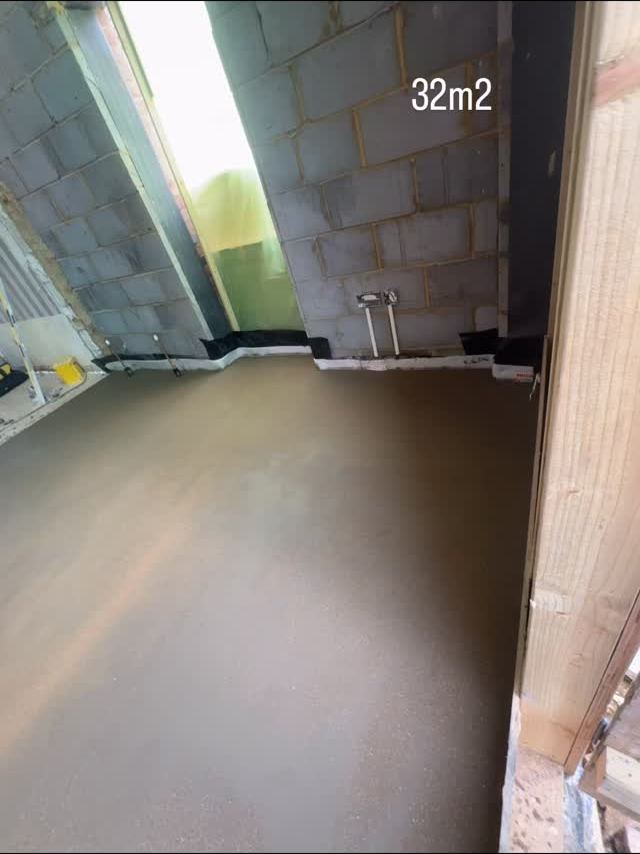
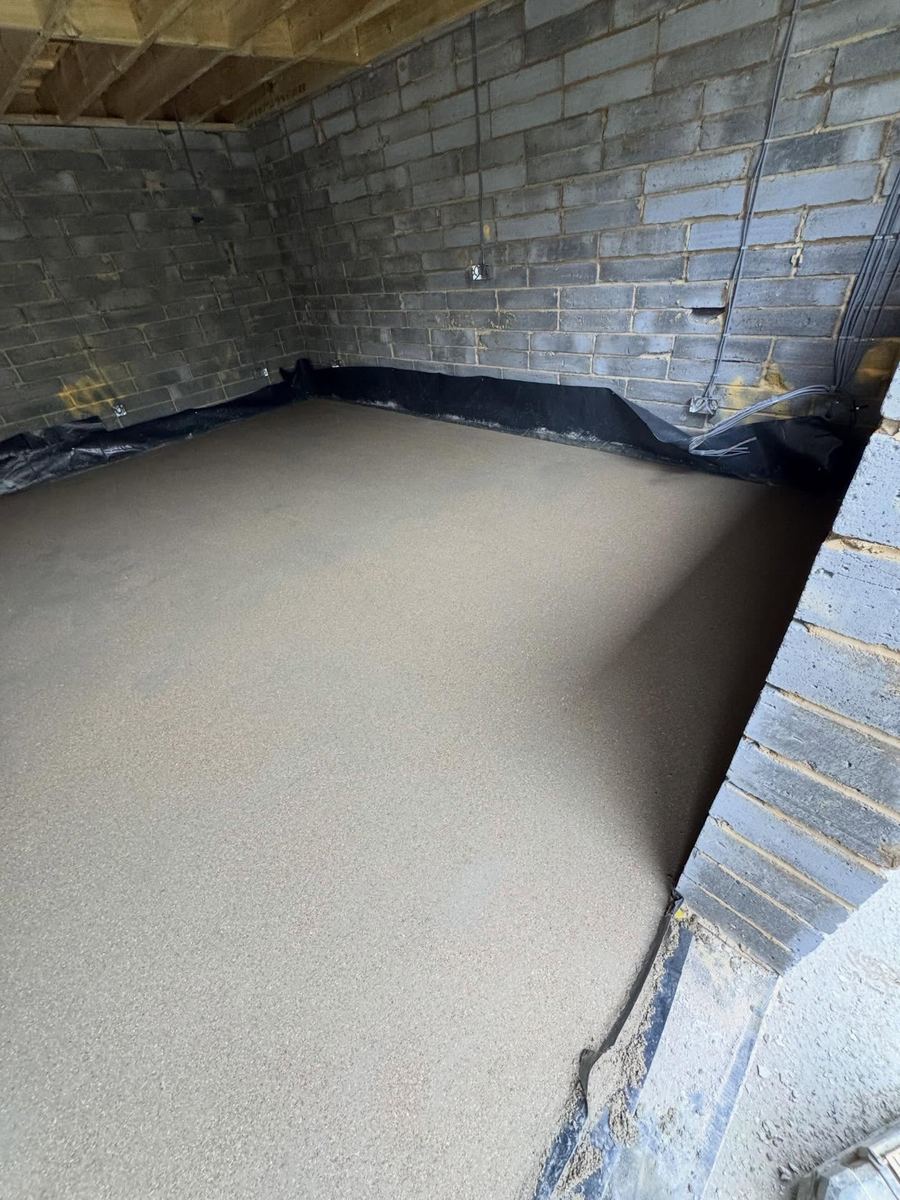
Screed laid on a damp-proof membrane in a block-built room
  • 25 Years’ Experience
  • 4.9★ on Google
  • Fully Insured
  • Free, No-Obligation Quotes

What’s the Difference?

Every screed is either stuck to the base, separated from it, or floating on insulation. Choosing the right one depends on what’s underneath and what the floor has to do.

Bonded Screed

Bonded screed is fixed directly to a clean, sound concrete slab using a bonding agent, so the two act as one. Because the slab takes the strain, it can be laid thinner, from around 20mm, which makes it ideal where floor height is limited.
Unbonded Screed

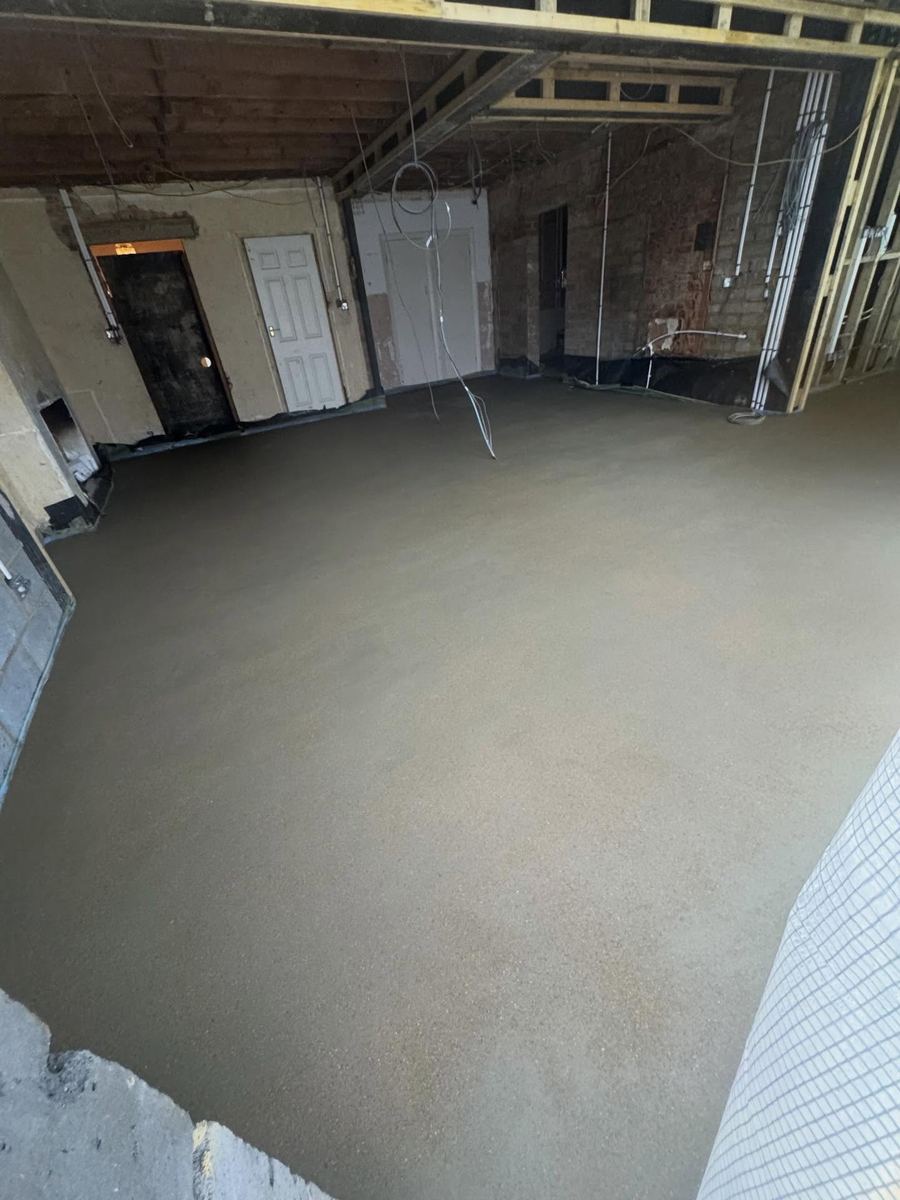
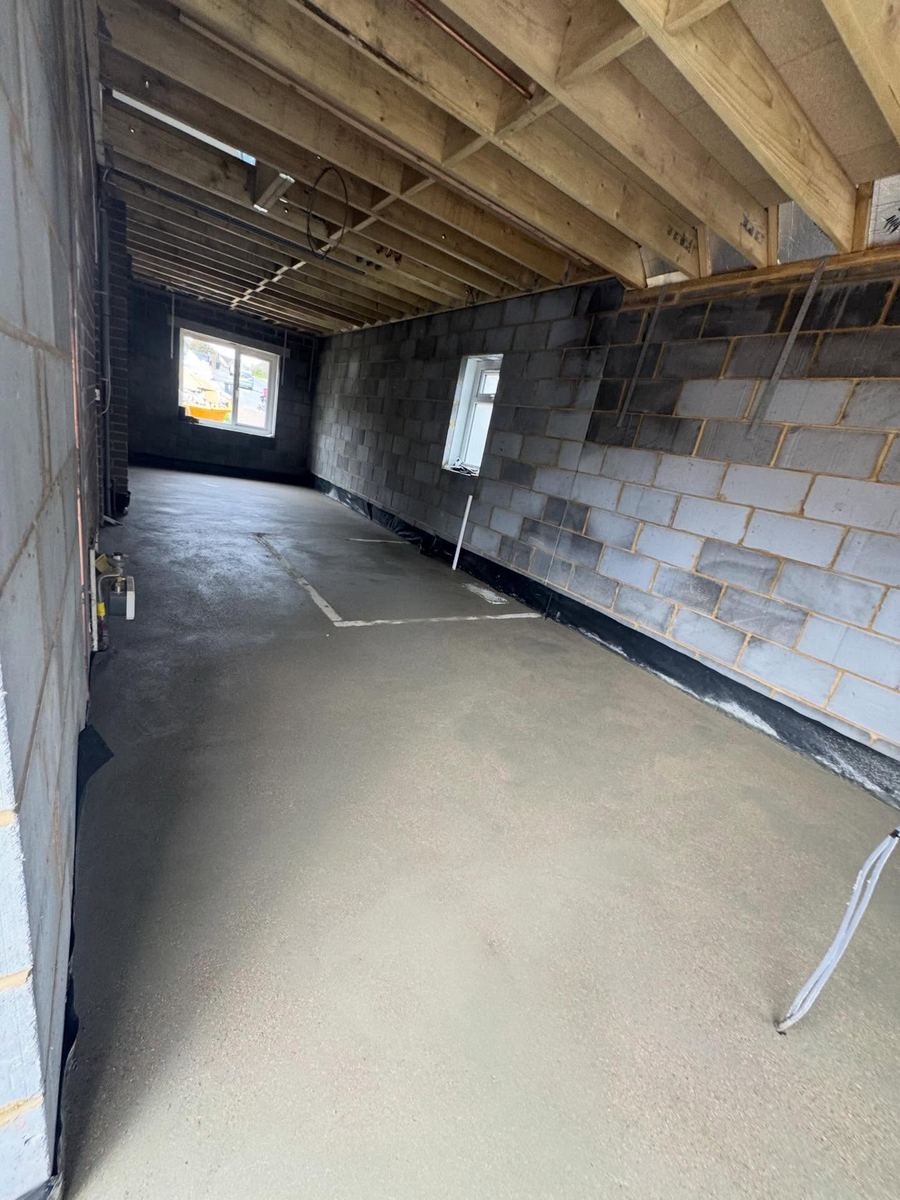
Unbonded screed is laid on a damp-proof membrane, separating it from the slab below. It’s used where the base is contaminated, uneven or needs a DPM. It needs to be thicker than a bonded screed, typically from 40mm.

Floating Screed

Floating screed is laid over a layer of insulation, often with underfloor heating. The insulation keeps heat in the room, but the screed has to be thick enough to spread loads without cracking, typically at least 50mm for sand and cement, or 50–70mm for liquid screed.

Which Screed Build-Up Do I Need?

You’ll usually need a bonded screed if you’re levelling or raising an existing, sound concrete floor by a small amount.

You’ll usually need an unbonded screed if the slab has an old finish, contamination or no damp-proof membrane.

You’ll usually need a floating screed in a new build, extension or anywhere with floor insulation or underfloor heating.

We’ll confirm the right option after a quick survey or a look at your plans.

How We Lay Each Type

  1. Check the Base

    We assess the slab or insulation, levels and moisture, and confirm the build-up.

  2. Prepare

    Bonded: the slab is prepared and primed with a bonding agent. Unbonded: a membrane is laid. Floating: insulation, membrane and edge strip go down first.

  3. Lay and Level

    The screed is laid to the correct depth and levelled to tolerance.

  4. Cure and Hand Over

    We leave clear guidance on drying before flooring.

Recent Projects

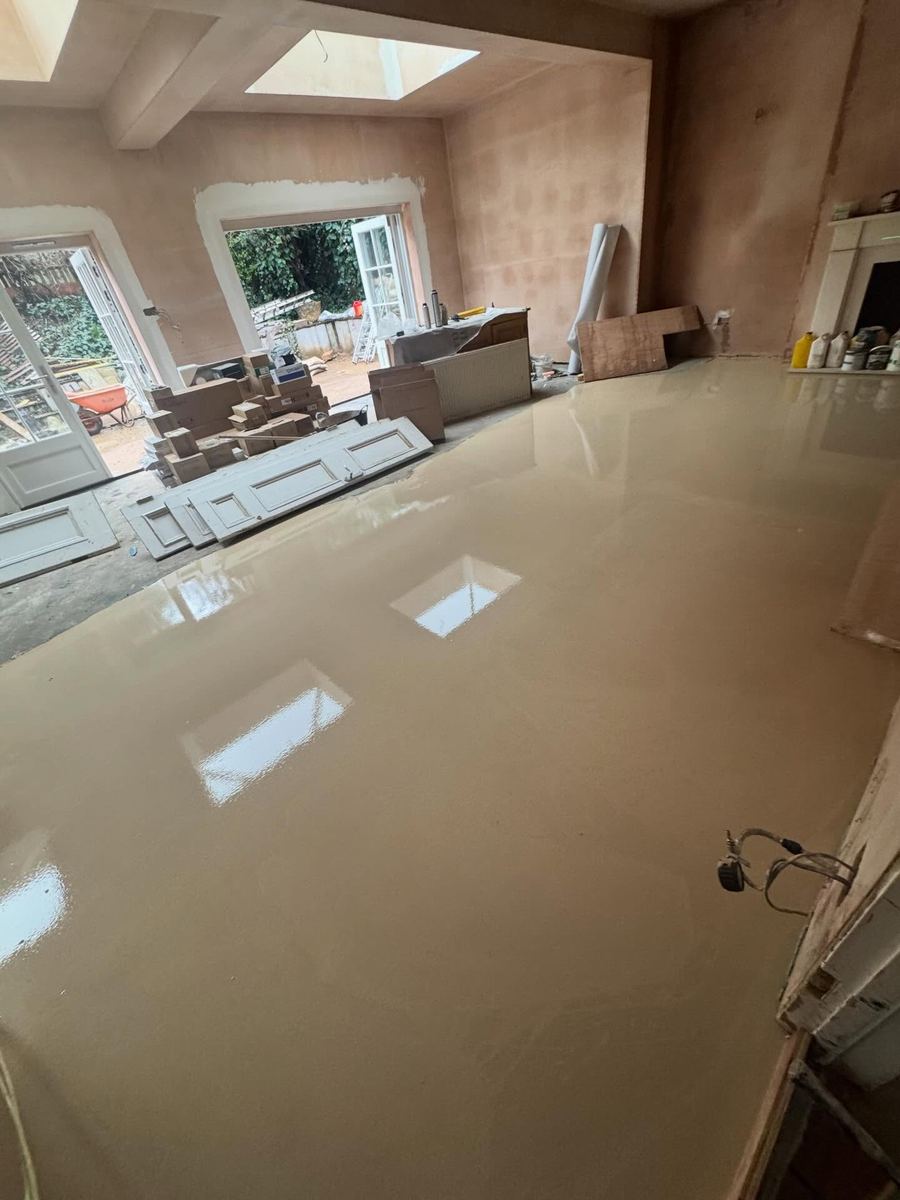
Floor screed, stripped-back renovation

Floor screed, stripped-back renovation

Renovation
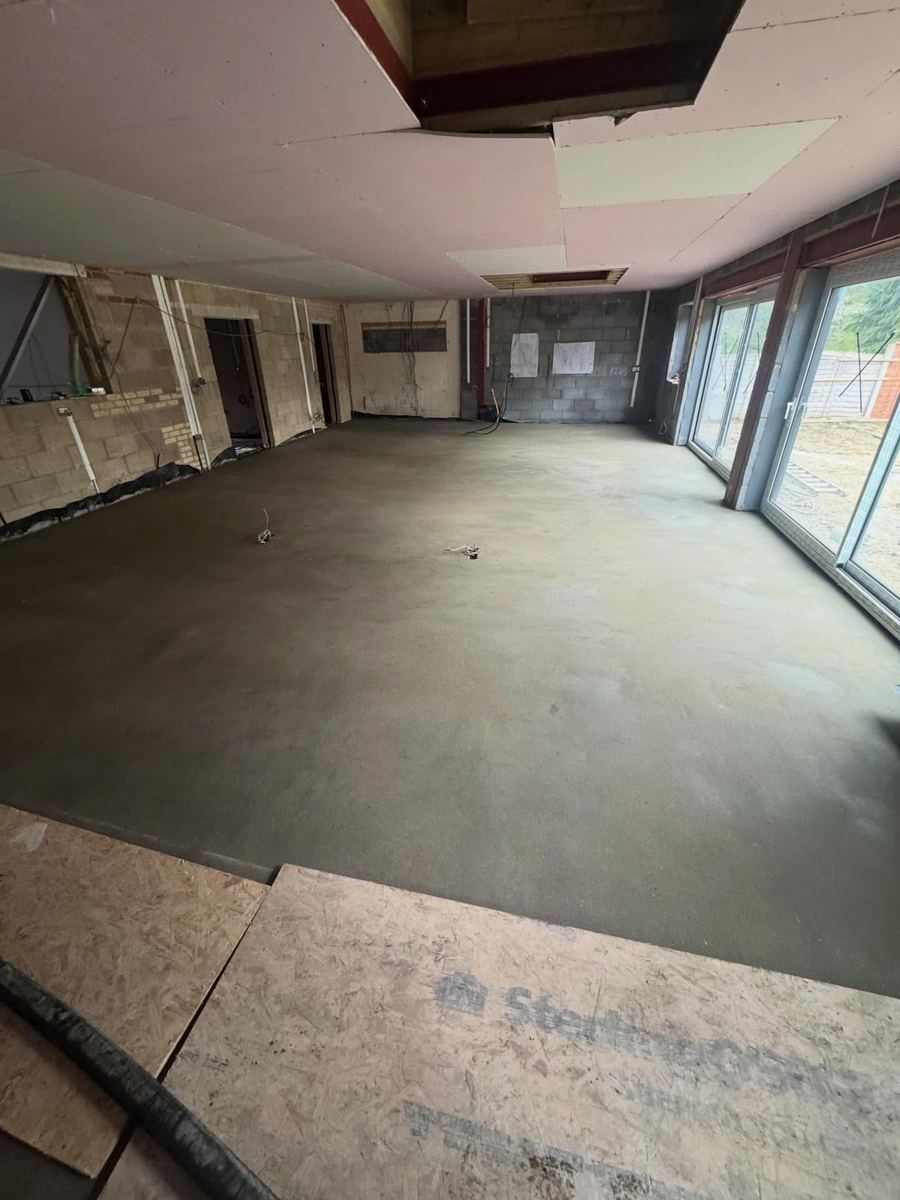
Floor screed, block-built extension

Floor screed, block-built extension

Extension
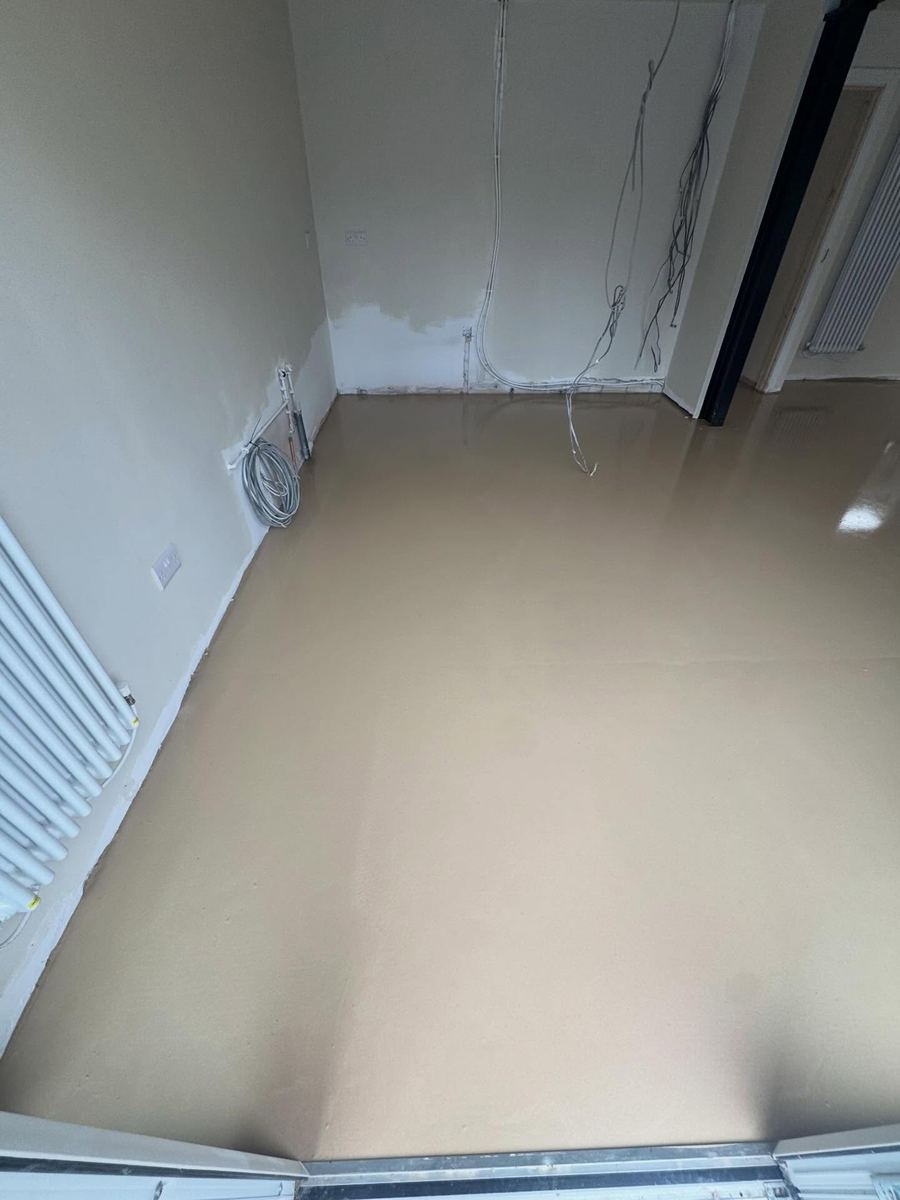
Extension floor

Extension floor

32 m²
Rated 4.9★ from 41 Google reviews

What Customers Say

★★★★★

“Great finish, came when they said they would, left the place clean and tidy, hard workers. Were in and out in just an hour or two. They gave the best quote too - definitely recommend Luke and his crew.”

Tom H. · Google review
★★★★★

“Great service from Luke and the team. Great communication with an exceptional finish. Spoke to 3 companies and couldn’t be happier with the choice we made. Thanks again.”

Andy W. · Google review
★★★★★

“Luke’s work is amazing! Not only is he fast but also incredibly communicative and very flexible with scheduling. We will definitely be working with him again!!”

Avria W. · Google review
★★★★★

“Luke done a fantastic job. So pleased with the result. Luke and his team are very professional and polite. No problems at all recommending these guys.”

Philip B. · Google review

Read all 41 reviews

Bonded & Floating Screed Across London & the South East

We lay every type of screed build-up from our Croydon base across South London, Surrey and Kent.

Bonded & Floating Screed FAQs

What’s the difference between bonded and unbonded screed?

Bonded screed is stuck to the concrete below and can be laid thinner. Unbonded screed sits on a membrane, separate from the base, and needs to be thicker.

What’s the minimum thickness for each?

As a guide for sand and cement: bonded from 20mm, on a membrane from 40mm, floating from 50mm. We’ll confirm the right depth for your floor.

When do you need a floating screed?

Whenever the screed is laid over insulation, which covers most new builds, extensions and underfloor heating floors.

Get a Free Screeding Quote

Not sure which build-up you need? Send us your plans and we’ll advise and give you a fixed price.

Get my free quote

Fixed price, usually within 24 hours.